The automotive industry is undergoing a significant transformation as it shifts toward more sustainable solutions. As environmental concerns take center stage, innovations in vehicle technology are paving the way for a future that prioritizes eco-friendliness. The future of sustainable vehicles promises reductions in carbon emissions, improvements in fuel efficiency, and advancements in technology that redefine personal and public transportation.
Electric and hydrogen-powered cars are at the forefront of this change, facilitating a cleaner alternative to traditional gasoline engines. With governments and corporations pushing for stricter regulations on emissions, the demand for these vehicles is likely to soar. Industry leaders are not only focusing on vehicle performance but also on creating more efficient manufacturing processes that minimize waste.
Consumer attitudes are gradually shifting as well, with many individuals now prioritizing sustainability in their purchasing decisions. As awareness of climate change grows, the adoption of sustainable vehicles is set to become a standard rather than an exception. This evolving landscape highlights a critical moment for both manufacturers and consumers to engage in practices that benefit the planet.
The Evolution and Impact of Sustainable Vehicles
Sustainable vehicles, including electric and alternative fuel options, are reshaping the transportation landscape. Their development has significant implications for reducing greenhouse gas emissions and mitigating climate change.
Defining Sustainable Vehicles and Their Role in Transportation
Sustainable vehicles are designed to minimize environmental impact and reduce reliance on fossil fuels. This includes electric vehicles (EVs), hybrid models, and those using alternative fuels like hydrogen.
These vehicles contribute to a sustainable future by lowering greenhouse gas emissions compared to conventional vehicles. As awareness of climate change increases, the adoption of sustainable vehicles is critical for meeting global emissions targets and promoting cleaner air.
Historical Perspective on Electric and Alternative Vehicles
The history of electric and alternative vehicles dates back to the 19th century. Early models were outpaced by gasoline-powered cars due to performance limitations and infrastructure needs.
However, the oil crisis of the 1970s reignited interest in alternative technologies. The resurgence of EVs in the 21st century is fueled by advances in battery technology and changing consumer preferences. Increased concerns about climate change have also shifted focus back to sustainable options.
Global Adoption Trends and Market Growth
The global market for sustainable vehicles is expanding rapidly. According to recent data, EV sales have surged, with significant growth identified in regions like Europe and China.
Governments are implementing incentives, such as tax rebates and charging infrastructure investments, to boost adoption. As battery costs decrease and charging networks expand, sustainable vehicles are expected to become increasingly mainstream, further reducing greenhouse gas emissions and reliance on fossil fuels.
Core Technologies Driving the Future
Key advancements in technology play a crucial role in how vehicles will evolve towards sustainability. This includes significant improvements in battery technology, integration of renewable energy sources, exploration of hydrogen fuel, and innovations aimed at enhancing vehicle efficiency.
Advancements in Battery Technology for EVs
Recent innovations in battery technology are critical for electric vehicles (EVs). Lithium-ion batteries remain the standard, offering a balance between energy density, efficiency, and cost. New developments include solid-state batteries, which promise higher energy storage and safety.
Key Components to Consider:
- Battery Management Systems: These systems optimize energy usage and prolong battery life.
- Battery Recycling: This is becoming essential for environmental sustainability, allowing for the recovery of valuable materials.
Investments in research focus on increasing the lifespan and reducing the manufacturing costs of batteries. Enhanced charging technologies, such as fast charging, also boost user convenience.
Integration of Renewable Energy and Solar Panels
The integration of renewable energy sources is transforming sustainable vehicles. Solar panels can be installed on vehicles to harness sunlight, providing supplementary energy to power electric motors or recharge batteries.
Benefits of Solar Integration:
- Reduced Dependency on Grid Power: Solar panels can help in charging EVs without relying solely on traditional electricity sources.
- Environmental Impact: Utilizing renewable energy decreases the carbon footprint associated with vehicle operation.
Innovative solar technologies are becoming more efficient and cheaper. Research is ongoing to improve the aesthetic design of solar panels, making it feasible for widespread adoption on a variety of vehicles.
Hydrogen Fuel and Alternative Powertrains
Hydrogen fuel presents a promising alternative to conventional batteries. Fuel cell vehicles (FCVs) convert hydrogen into electricity, emitting only water vapor as a byproduct.
Advantages of Hydrogen Fuel:
- Quick Refueling: Unlike EVs, hydrogen-powered vehicles can be refueled in minutes, comparable to gas vehicles.
- Longer Range: FCVs typically offer a greater driving range than battery electric vehicles, making them attractive for long distances.
Research into efficient hydrogen production methods, like electrolysis using renewable energy, enhances its sustainability profile. Additionally, advancements in the storage and transport of hydrogen fuel are increasing its practicality.
Innovations in Vehicle Efficiency
Innovations in vehicle design and technology are vital for enhancing efficiency. This includes advanced aerodynamics, lightweight materials, and regenerative braking systems.
Focus Areas for Efficiency:
- Regenerative Braking: This technology recovers energy during braking, which is then used to recharge the battery, enhancing range.
- Lightweight Materials: Utilizing materials like carbon fiber can reduce weight, improving overall efficiency and performance.
Smart technologies, such as predictive maintenance systems, are becoming integral. These systems optimize vehicle operation and help in monitoring battery health and performance, further improving sustainability efforts.
Building Sustainable Infrastructure
Sustainable infrastructure is essential for supporting the transition to sustainable vehicles. It focuses on enhancing charging networks, integrating smart technologies, and employing effective energy management strategies. Each component plays a pivotal role in facilitating the use of renewable energy and ensuring efficient battery utilization.
Expansion of Charging Infrastructure
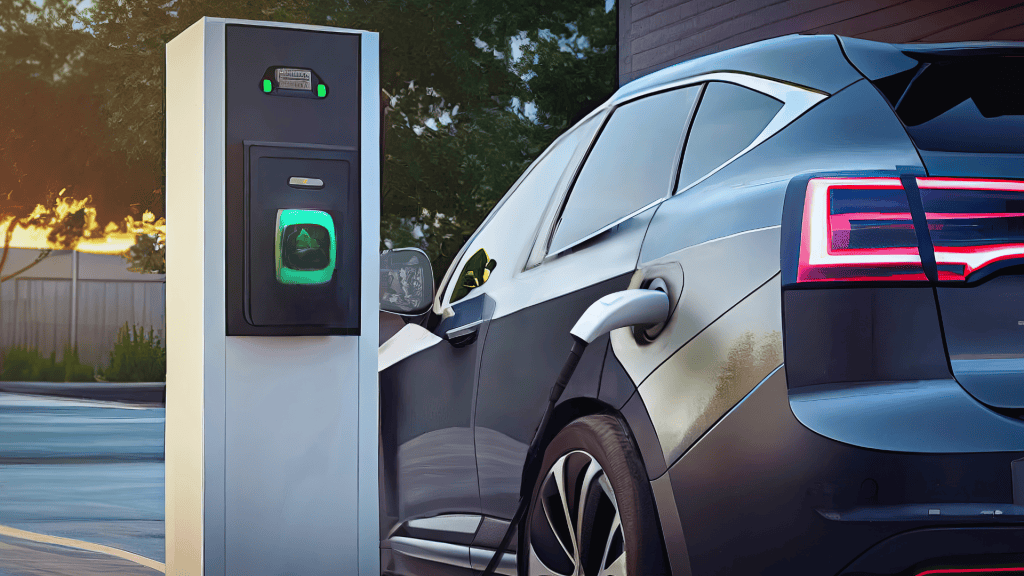
The expansion of charging infrastructure is crucial for promoting the adoption of electric vehicles (EVs). A robust network of charging stations must be developed in urban areas, on highways, and in rural locations. This diverse distribution will minimize range anxiety and make EVs more accessible.
Investments are required to ensure the installation of various charging types, including:
- Level 1 Chargers: Standard home charging.
- Level 2 Chargers: Public and commercial charging.
- DC Fast Chargers: Quick charging for long trips.
Increasing the number of charging points, especially those powered by solar panels, will contribute to the reduction of greenhouse gas emissions. It will enable the use of renewable energy sources, further enhancing sustainability.
Smart Charging Stations and Grid Integration
Smart charging stations offer advanced capabilities that optimize energy use. They can communicate with the electric grid to manage demand effectively. This integration helps in balancing energy loads and supports the use of renewable resources.
By implementing vehicle-to-grid (V2G) technologies, electric vehicles can return energy to the grid when needed. This capability not only supports grid stability but also allows EV owners to reduce their energy costs.
Important features of smart charging stations include:
- Dynamic pricing: Offers cheaper rates during off-peak hours.
- Demand response: Adjusts charging based on grid conditions.
These innovations lead to a more efficient energy ecosystem that services both users and the grid.
The Role of Energy Storage and Management
Energy storage systems are vital for managing the variability of renewable energy sources. They can store excess energy generated from solar panels and distribute it when demand rises.
Battery management systems play a significant role in maximizing the lifespan and efficiency of energy storage solutions. These systems monitor battery health, optimize charge cycles, and prevent overcharging.
Key benefits of effective energy management include:
- Enhanced energy efficiency: Reduces waste.
- Cost savings: Lowers overall energy expenses.
- Sustainability: Supports the integration of more renewable energy into the grid.
As energy storage technologies advance, they will become increasingly important in building a sustainable infrastructure.
Challenges, Opportunities, and the Road Ahead
The journey toward a sustainable vehicle future involves navigating significant barriers while identifying opportunities for growth. Understanding these complexities is crucial for stakeholders and society at large.
Overcoming Barriers to Widespread Adoption
Several barriers hinder the widespread adoption of sustainable vehicles. One key challenge is the high initial costs associated with electric vehicles (EVs) compared to traditional fossil fuel vehicles. While prices have been decreasing, affordability remains a concern.
Infrastructure development for charging stations is critical. Many regions still lack sufficient charging facilities, creating range anxiety among potential EV users.
Consumer awareness is another obstacle. Individuals often lack knowledge about the benefits of sustainable vehicles. Educational campaigns can play a significant role in shifting perceptions and encouraging adoption.
Environmental and Social Impact
Sustainable vehicles directly address climate change and aim to reduce greenhouse gas emissions. By transitioning from fossil fuels to electric or hybrid technologies, society can significantly lower its carbon footprint.
Lifecycle assessments of sustainable vehicles show that their overall environmental impact can be less harmful compared to traditional options. This includes factors such as production, usage, and disposal.
Furthermore, social equity issues arise. Not all communities have equal access to sustainable vehicle options, which can exacerbate existing disparities. Initiatives to ensure broad accessibility will be essential in promoting an equitable transition.
Future Mobility and the Vision for a Sustainable World
The vision for future mobility includes integrating innovative technologies such as autonomous vehicles and shared services. These approaches can enhance efficiency and further reduce emissions.
Policy frameworks will be crucial. Governments must support incentives for sustainable vehicle purchases and invest in diverse transportation infrastructures.
The potential for sustainable vehicles to transform urban planning is significant. Cities could evolve around electric mobility, leading to cleaner air and reduced congestion.
The collective effort toward sustainable transportation can pave the way for a brighter, more sustainable future.